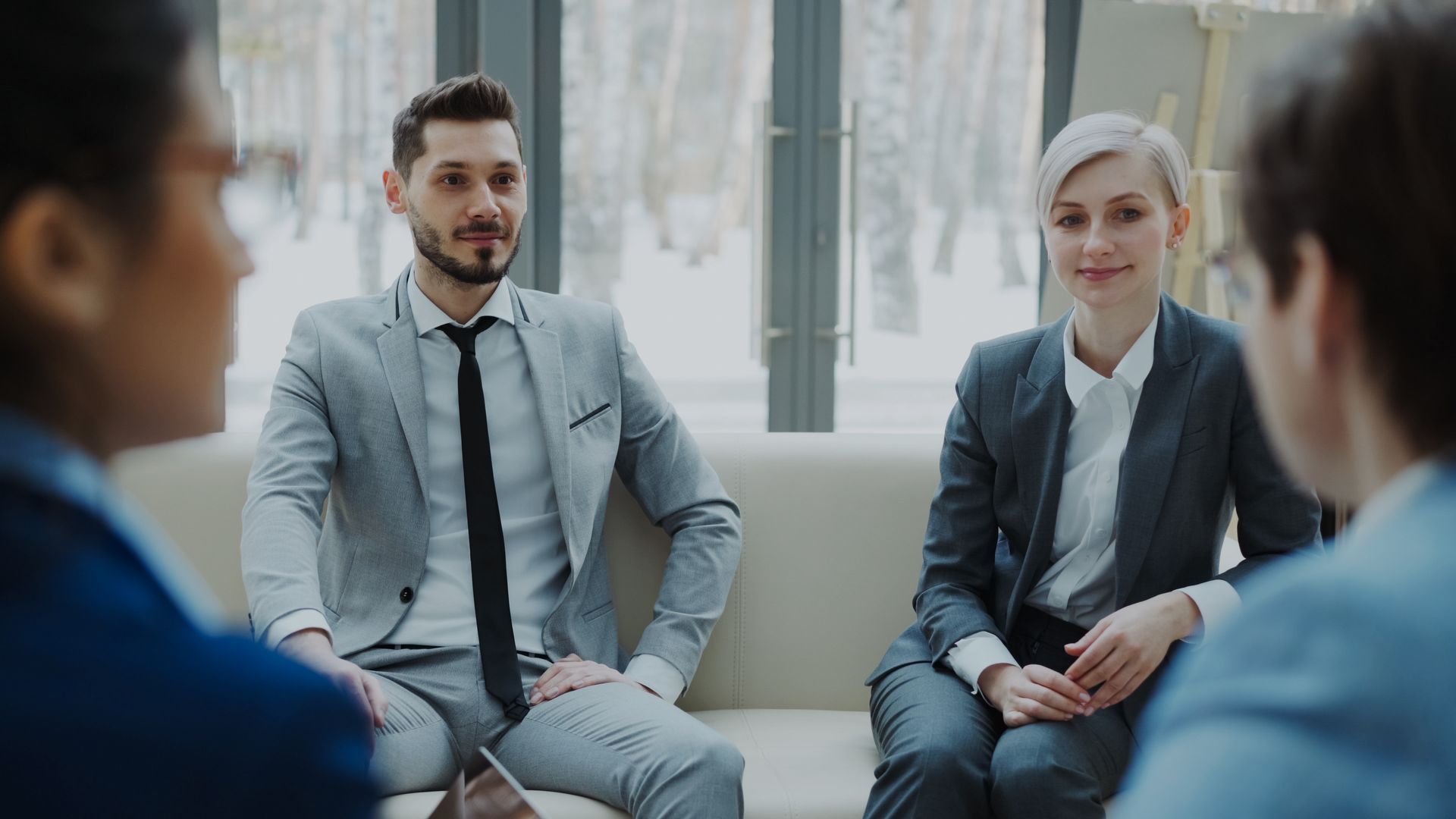
In the current society that we are living in the professional workforce face numerous responsibilities such as managing demanding careers, families and personal lives.
Due to a tight and connected schedule, we often fail to prioritize our mental health. Although conventional well being practices such as exercise, meditation and proper sleep are essential, creativity is one of the most potent yet disregarded techniques of enhancing our mental well being.
Creative wellness does not require one to be artistic nor does it need time and space to spare. Simple moments of creativity incorporated throughout the workday may help one to be stress free, mood uplifted and resilient.
Creative activities such as writing, drawing, photography etc can be performed at any time, taking one away from the hectic lifestyle and bring one back to the present moment.
Majority of the professions involve continuous decision making, problem solving and productivity at the same time.
Though all these requirements are satisfying, they may lead to over fatigue and mental stress. Creative works involve many parts of the brain and encourage a desire to learn, be flexible and express oneself.
Different to our work requirements where most focus is on outcome, creativity focuses on process and may assist one to take a mental break and refresh ones thoughts.
Studies have proved that engagement in creative activities correlate to better mental health and are associated with low stress levels and positive well being (Fancourt & Finn, 2019) even a short exposure to it may increase well being and reduce stress
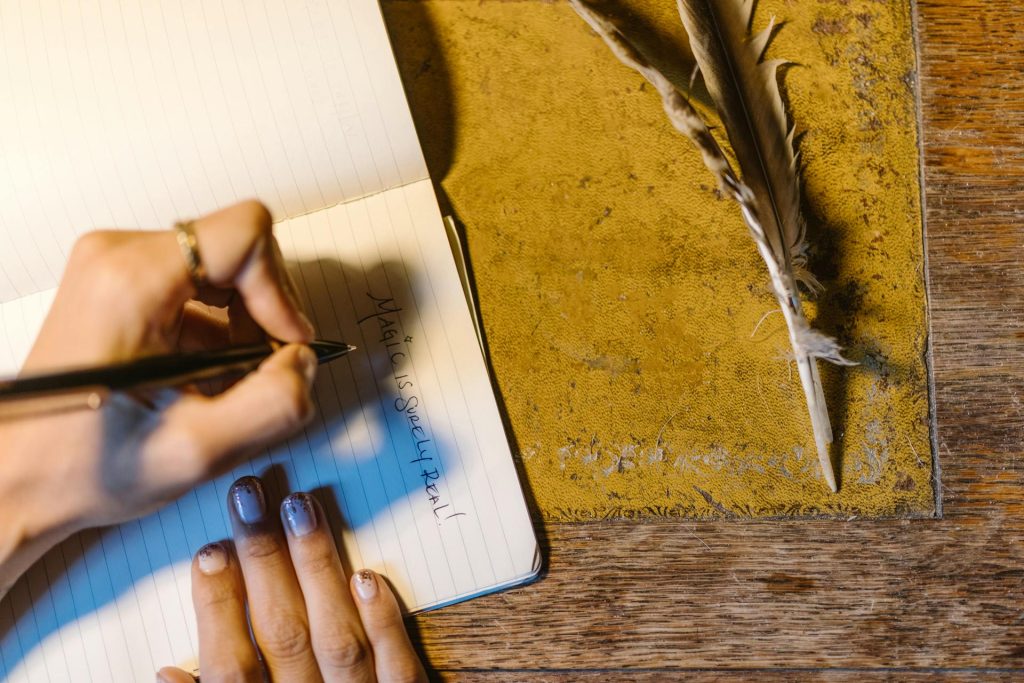
Journaling And Photography For Health
Photography is an activity beneficial to creative wellness practices in that it helps you to pause and become mindful of your environment.
You can photograph anything interesting during a lunch break, on the way to and from work, or on an evening walk.
It can be something in nature, an interesting architectural detail, or an everyday item made unusual or peculiar by light or perspective.
The end product need not be art, merely the capture of the interesting. Simply documenting and observing things like this will move the thoughts associated with work to the back of your mind and help to develop greater awareness of the world around you.
Coloring books, sketchbooks, and other art-related activities are on the rise for adults seeking ways to reduce stress and unwind.
These kinds of projects are highly structured and require little preparation time that can also be used in short durations of time.
It is hypothesized that through the practice of activities such as coloring a mandala, adults can experience increased relaxation and lower levels of anxiety through concentrated attention that can pull focus from worry or ruminate thoughts (Van der Vennet & Serice, 2012).
For many professionals, even ten minutes of coloring upon coming home from work is a necessary transition from work tasks to home life.
Professionals tend to feel the need to constantly prove productivity and success through quantifiable measures. Creative wellness allows you to opt-out of this type of thinking.
Engage in an activity strictly for fun, such as painting, craftwork, writing poetry, or creating a new dish, and don’t focus on output, perfection, or performance.
This practice can help boost self-expression and offer a welcome departure from goal-oriented work.
Conclusion
It can be difficult to maintain a healthy mind state when you are a busy professional, however, creativity is a manageable and convenient way to alleviate stress and maintain mental balance. Simple creative wellness habits, such as journalling, doodling, taking photos, adult colouring and engaging in art mindfulness can offer great benefits through relaxation, expression and reflection.
These require neither artistic talent, nor vast amounts of free time to benefit the busy professional by contributing to a resilient and healthy mind.
References
Fancourt, D., & Finn, S. (2019). What is the evidence on the role of the arts in improving health and well-being? A scoping review. World Health Organization Regional Office for Europe.
Pennebaker, J. W., & Chung, C. K. (2011). Expressive writing: Connections to physical and mental health. In H. S. Friedman (Ed.), Oxford Handbook of Health Psychology.
Van der Vennet, R., & Serice, S. (2012). Can coloring mandalas reduce anxiety? A replication study. Art Therapy: Journal of the American Art Therapy Association, 29(2), 87–92.
No responses yet