
It is not uncommon for people experiencing mental illness recovery to feel as though this is a very individualised experience. Although Cognitive Behavioural Therapy (CBT) is widely cited as one of the most effective treatments available for disorders like anxiety and depression, some individuals find talking about themselves and how they feel to be a challenging form of communication.
Many therapists have thus incorporated creative methods into their therapy with a variety of clients, including art therapy to supplement CBT methods. Through a blend of CBT and creative processes, therapists can help their clients to access and explore feelings, identify maladaptive thoughts, and develop adaptive mechanisms to address them.
Art becomes more than just an enjoyable activity-it becomes a therapeutic adjunct which promotes understanding, affective regulation, and ultimately, recovery. Cognitive behavioural therapy emphasises the interconnectedness between thoughts, feelings and behaviours. The theory that maladaptive thinking contributes to and perpetuates emotions and dysfunctional behaviour has long since been widely studied and applied (Beck, 2011). Through CBT therapy an individual learns to challenge their thought processes and begin thinking more logically and positively.
Through the use of art-based techniques, CBT can be extended as a means to explore thought processes and feelings experientially rather than through purely conversational means. Rather than discussing emotions verbally, clients can utilize artistic means such as drawing, collaging, and painting as a means of accessing thoughts and emotions. For many people, thoughts and beliefs become more concrete and understandable through the use of visual representations, thus aiding insight.
Helping Clients Externalise Thoughts and Emotions
A technique often employed by CBT therapists involves using art to help the client externalise their thoughts and emotions. Often with difficulties such as depression and anxiety, experiences can feel overwhelming or intangible and difficult to verbalise.
By using facilitated art based activities, the client can create a concrete representation of the abstract or elusive experiences. So, an anxious client could depict their worries in the form of a stormy cloud while a client with depression could have an image to represent their feeling of isolation and lack of hope. By externalising the experiences it can become easier for the therapist to guide the client in having a more objective view of the situation; thereby decreasing the emotional impact and making it possible to begin to analyze and identify unhelpful thoughts or beliefs in the process (Haaland & Landro, 2015).
Cognitive restructuring is the process of identifying and disputing incorrect, harmful and unbalanced thought patterns and replacing them with more appropriate ones. Through drawing an inaccurate and maladaptive thought or self-critical belief, the thought becomes visible and the artist is invited to create a second picture which displays a more appropriate and benevolent state, representing alternative thinking.
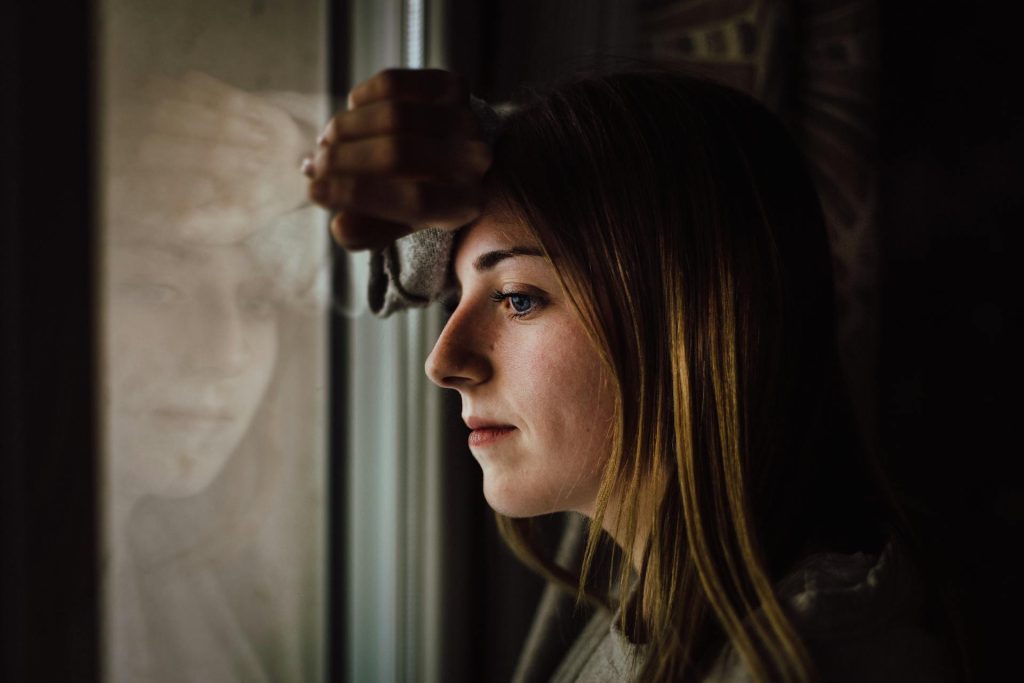
An example is a client who has a thought pattern that is consistent with, “I always fail.” The therapist might invite the client to draw their negative thought; this picture may include evidence of prior learning, development and personal experience and later they are asked to paint a new picture which shows resilience. This alternative mental images help learning by reinforcing alternative representations and may also facilitate self-processing and the consolidation of new, positive cognitive schemata.
Emotional regulation refers to the capacity of individuals to understand, regulate, process and respond to their emotions. Challenges with emotional regulation are associated with anxiety, depression, trauma and stress related conditions and have a negative impact on mental health.
Creative activities can be used to offer grounding and calmin during therapy and engage the client with activities like drawing and painting which require present moment attention similar to the practice of mindfulness. Art-based therapies has also been evidenced to be useful in reducing symptoms of anxiety and enhancing emotional well-being through promoting self-expression and emotional processing of difficult emotions (Abbing et al., 2018).
Many therapists utilize art activities to identify emotional triggers, recognize patterns of emotional response and develop specific strategies to use when faced with unpleasant emotions.
Using Art to Track Progress
Progress during therapy is often gradual and may not be overtly apparent to clients. The creation of art can create a pictorial diary of change throughout the therapy. Some CBT therapists ask clients to make periodic drawings, mood maps or journals as they go through therapy. By comparing the art created at various stages of the therapy process, clients and therapists can gain insight into changes in mood, ways of thinking, views of self, and ways of coping.
These visual records can bolster a feeling of accomplishments, helping to provide continued impetus for further positive changes. Mindfulness has been an increasingly valued component of many evidence-based therapeutic modalities and focuses attention on the current moment with openness and curious acceptance. The creative act itself naturally facilitates mindfulness in that individuals focus on colours , shapes, textures and decisions required of the artistic process.
This activity draws the focus away from cyclical thoughts about the future and ruminations about the past. Studies on the effectiveness of mindfulness-based art interventions indicate that the pairing of creative action and mindfulness practice helps reduce anxiety, depression and improve positive affect (Newland & Bettencourt, 2020). The greater awareness of their thought processes, feelings, and actions is one factor that helps to empower clients to make more desired change in their daily lives.
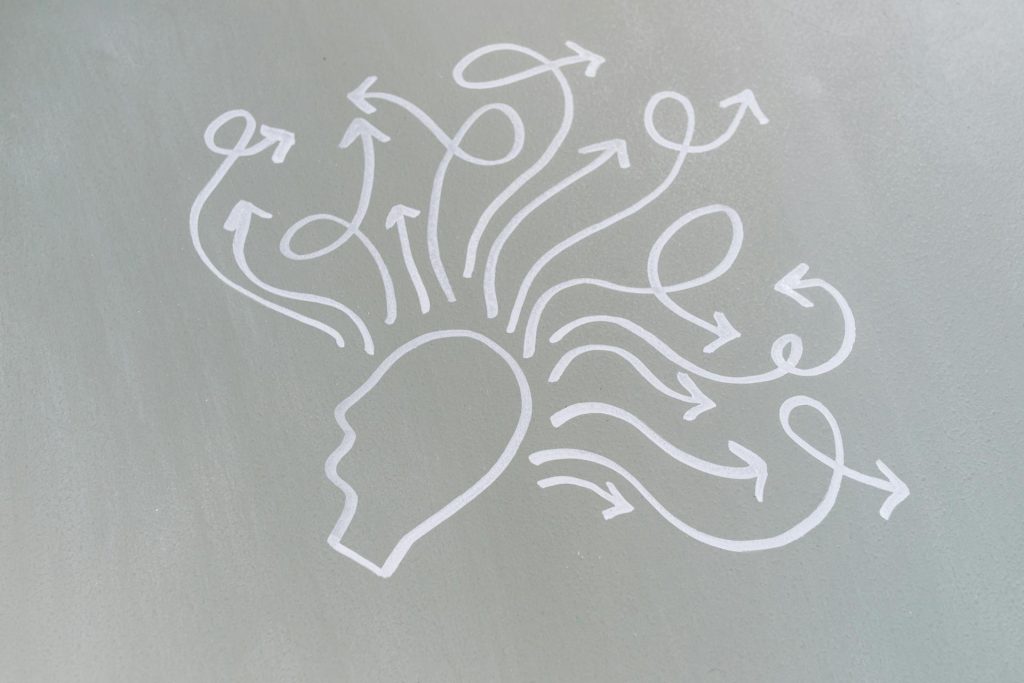
Art-based CBT approaches are helpful for many populations, including:
* Anxiety disorders
* Depression
* Long-term stress
* Lack of confidence
* Difficulties related to trauma
* Challenges regulating emotion
Such techniques may be particularly useful for individuals who have difficulty expressing their feelings verbally, or who feel too distressed to tolerate traditional talk therapy. The ability to do art is not a prerequisite. The healing happens in the act of making and reflecting on the artwork, not in the skillfull execution of the creation.
Art-based methods are becoming ever more widely utilised by CBT therapists due to their ability to serve as a valuable link between cognition, affect, and behaviour. Helping clients to externalise experiences, question problematic thoughts and beliefs, manage emotions, and track gains is many of the primary features of CBT, and art can offer valuable support in several of these areas.
Even when incorporated into an existing course of CBT-based treatment, art provides a stimulating, and accessible avenue through which clients can work toward mental health recovery; often this is simply achieved through deeper self-understanding, and art is a medium through which many people work.
References
Abbing, A., Ponstein, A., van Hooren, S., de Sonneville, L., Swaab, H., & Baars, E. (2018). The effectiveness of art therapy for anxiety in adults: A systematic review of randomised and non-randomised controlled trials. PLOS ONE, 13(12), e0208716.
Beck, J. S. (2011). Cognitive Behavior Therapy: Basics and Beyond (2nd ed.). Guilford Press.
Haaland, G. Å., & Landro, N. I. (2015). Should art be integrated into cognitive behavioral therapy for anxiety disorders? The Arts in Psychotherapy, 41(4), 343–352.
Newland, P., & Bettencourt, B. A. (2020). Effectiveness of mindfulness-based art therapy for symptoms of anxiety, depression, and fatigue: A systematic review and meta-analysis. Complementary Therapies in Clinical Practice, 41, 101246.
No responses yet