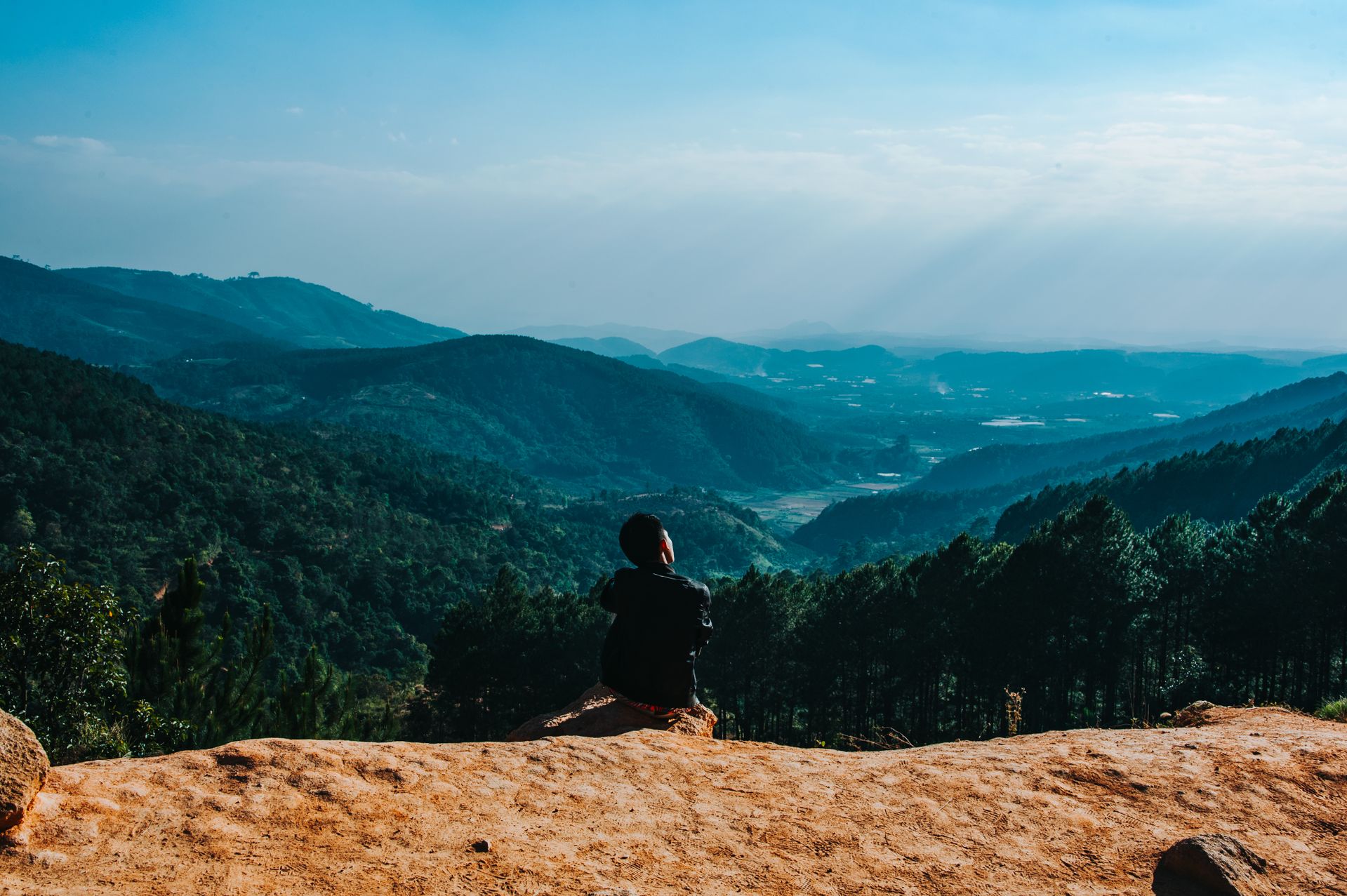
When people consider enhancing their mental well-being, they typically think of significant changes in lifestyle-engaging in therapy, regular exercise, or establishing an ordered routine of self-care. These types of interventions may be effective, but many simple, everyday habits can also have a significant impact on emotional well-being. One neglected strategy is engaging in creativity.
Creativity isn’t just for artists, musicians, and writers; it can be as simple as scribbling in a notepad during a break, journaling before going to sleep, arranging flowers, baking a new dish, or snapping pictures while on a stroll. These simple acts of creativity offer an outlet for self-expression, a way to ease the burdens of stress, and an avenue through which to process feelings that could lead to better mental health.
Why Creativity Matters for Mental Health
Creative acts invite the mind into a state different than our usual, goal-oriented tasks. Rather than focusing on a product or efficiency, they promote the desire to explore, experiment, and express oneself. Taking attention away from other concerns can encourage individuals to return to the here-and-now and relax from the daily struggles.
Research has linked participation in creative activities to increases in positive mood and reductions in stress. The engagement with creativity has been linked to feelings of positivity, a boost in self-worth, and a positive outlet to cope with challenging situations (Fancourt & Finn, 2019).
Creativity fosters more flexible thinking. Many mental health disorders, such as anxiety and depression, include monotonous and inflexible thought patterns. Creative actions invite experimentation and exploration, aiding in finding new ways to view a problem.
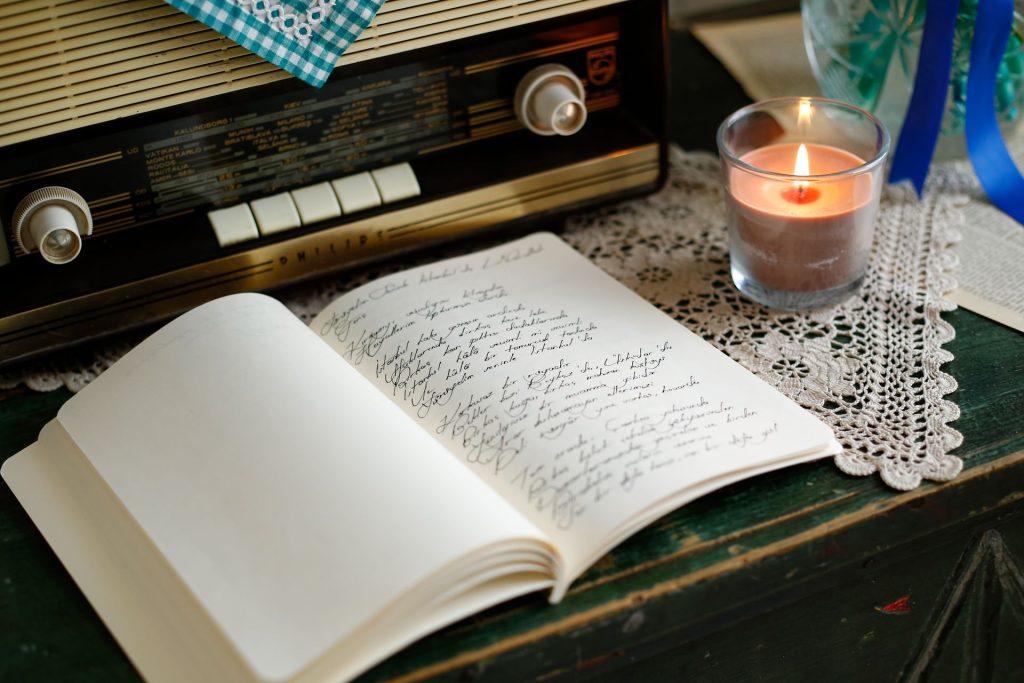
Journaling to help with mental health
Here are the revised texts, aiming for a natural, human-like feel:
1. Keep a Simple Journal:
This is perhaps the most accessible creative habit you can pick up. Even just a few minutes a day devoted to writing down thoughts, feelings, or experiences can boost self-awareness and emotional regulation. It doesn’t have to be neatly organised or perfectly phrased.
While some people prefer journaling about their day, others use prompts, gratitude lists or free-association. The goal is simply to create space to reflect. According to studies, expressive writing can alleviate distress and facilitate emotional processing by helping people organize and make sense of events (Pennebaker & Chung, 2011).
2. Spend Time Doodling or Sketching:
You don’t need to be a professional artist to benefit from drawing. The simple act of doodling, sketching, or coloruring can be calming and can help take your mind off anxious thoughts.
These creative drawing activities encourage focused attention which helps draw attention away from concerns and ruminations.
For many people, the repetitive actions of drawing have a meditational quality and offer an escape from anxious thinking. It’s been discovered that visual art can improve mental health and reduce anxiety due to its nonverbal communicative aspects (Abbing et al., 2018).
3. Try Creative Photography:
Taking photographs can lead to looking at the world in new and imaginative ways. Documenting the world around you with a camera through images of daily objects, nature, or beautiful architecture will promote mindfulness and heightened awareness of detail. You’ll learn to enjoy being in the present moment and appreciate the beauty around you rather than dwelling on anxieties or future worries. Creative photography can also function as a visual journal for you to keep track of happy times and meaningful experiences.
4. Explore Colouring and Mindful Art Activities:
Adult colouring books are quite popular now, and for good reason. Colouring allows for structured creative expression with minimal planning and requires concentration while simultaneously helping you to relax.
These types of colouring and other mindfulness based art activities like colouring geometric designs and mandalas are proven to help lower anxiety levels and maintain emotional calm. Mandala colouring has shown potential to reduce stress and maintain calmness. (Van der Vennet & Serice, 2012). This is particularly useful for people who may find the idea of approaching an empty page or freeform creative tasks intimidating.
5. Incorporate Creativity into Your Day:
Creativity does not necessarily need to involve a paint set and hours of free time. There are many things you do on a regular basis which can become a creative outlet with a bit of imagination and intention.
These may include cooking and experimentation in the kitchen, changing the layout of a room, gardening, designing your journal or planner, putting together new music playlists, or composing brief poems or stories. It’s the process and journey which matters rather than the end result.
6. Practice Creative Mindfulness:
Mindfulness and creativity often go hand-in-hand. Mindful art interventions using art methods such as painting, craft-making, knitting or creating collages will bring focused and in-the-moment attention to your work.
Studies have indicated that integrating mindfulness with art activities such as those listed above, can significantly help to improve overall well-being, including reduced symptoms of anxiety and depression, and build resilience (Newland & Bettencourt, 2020).
This method is beneficial for people who find traditional meditation difficult to implement and is considered by many to be a more approachable path to mindfulness.
7. Share Your Creations:
Connecting with others through creative activities can also greatly contribute to your sense of well-being. The social element is a very important factor in maintaining mental health and can help reduce feelings of isolation, which might be fostered through group art activities, classes, or simply sharing creative projects with your friends.
Creative endeavours are also more rewarding when the social element is integrated; they can foster a strong sense of community and purpose and give meaning to your actions. Even simple forms of communication, like discussing your artwork or exchanging photos, can prove very meaningful.
To conclude
It doesn’t have to be grand when it comes to supporting your mental health. Even small creative habits can provide rich ways to express yourself, be mindful, process feelings, and reduce stress.
Through things like writing a journal, doodling, taking photos, colouring, or even just adding creative flare to your day, individuals can reconnect with themselves and build more emotional resilience as time goes on. Incorporating creativity into everyday life could result in surprisingly effective new ways to nurture your mental health and well-being.
References
Abbing, A., Ponstein, A., van Hooren, S., de Sonneville, L., Swaab, H., & Baars, E. (2018). The effectiveness of art therapy for anxiety in adults: A systematic review of randomised and non-randomised controlled trials. PLOS ONE, 13(12), e0208716.
Fancourt, D., & Finn, S. (2019). What is the evidence on the role of the arts in improving health and well-being? A scoping review. World Health Organization Regional Office for Europe.
Newland, P., & Bettencourt, B. A. (2020). Effectiveness of mindfulness-based art therapy for symptoms of anxiety, depression, and fatigue: A systematic review and meta-analysis. Complementary Therapies in Clinical Practice, 41, 101246.
Pennebaker, J. W., & Chung, C. K. (2011). Expressive writing: Connections to physical and mental health. In H. S. Friedman (Ed.), Oxford Handbook of Health Psychology.
Van der Vennet, R., & Serice, S. (2012). Can coloring mandalas reduce anxiety? A replication study. Art Therapy: Journal of the American Art Therapy Association, 29(2), 87–92.
No responses yet